
When Your Home Starts Sending SOS Signals
Remember when you could make a cup of coffee without bumping into someone? When your kids weren’t using rock-paper-scissors to decide who gets the bathroom first? These daily frustrations are your home’s way of waving a white flag. The most common signs include constantly feeling crowded, having no private spaces for different activities, or realizing that your storage solutions have storage solutions.
Sometimes, the Marie Kondo method just isn’t enough. https://konmari.com/ While reorganizing and decluttering can work wonders, they can’t create square footage that simply isn’t there. And when you’ve maximized every vertical storage opportunity and still feel squeezed, it might be time to consider expanding.
Before you start packing boxes for a new home, consider the numbers. With today’s housing market and moving costs, adding onto your existing home often makes more financial sense than relocating. Plus, you get to stay in the community you’ve grown to love while customizing your space exactly the way you want it.
Addition Options That Deliver Breathing Room
So what kind of addition makes sense for your situation? Let’s explore some popular options that give you the biggest bang for your buck.
The “bump-out” is like the gateway addition—extending an existing room by a few feet without the need for a new foundation. Even adding just 3 feet to your kitchen can transform it from a one-cook zone to a family gathering spot. For example, we can bump out a dining room by 6 feet, creating space for a harvest table where extended family can gather for Sunday dinners.
For those needing substantial square footage, second-story additions offer massive space gains without expanding your home’s footprint. For example, we can add an entire master suite above a garage, creating a private retreat that includes a luxurious bathroom, walk-in closet, and even a small morning coffee nook—all without sacrificing any limited yard space.
Sunrooms and four-season rooms have become incredibly popular as they blur the line between indoor and outdoor living. These light-filled spaces create the sense of being in nature year-round and are versatile enough to serve as plant havens, reading retreats, or additional dining areas.
Plans for Home Additions: The Planning Phase
Dreaming is the fun part, but proper planning prevents those dreams from turning into nightmares. First things first: your budget. Be realistic about what you can spend and then add a 15-20% contingency—because if there’s one certainty in home renovation, it’s that surprises happen. Financing options like home equity loans or renovation-specific mortgages can help make your addition affordable.
Next, we take care of local regulations. Nothing halts progress faster than discovering your perfect plans violate zoning laws. Many neighborhoods have specific requirements regarding setbacks (how close you can build to property lines), maximum height restrictions, or even design guidelines to maintain community aesthetics.
Timeline expectations are crucial too. Depending on the scale of your project, you might be looking at anywhere from 6 weeks for a simple bump-out to 6 months for a complex second-story addition. Having a realistic schedule helps you plan living arrangements during construction. Can you live through the renovation, or will you need temporary housing? These considerations should factor into your overall budget.
Creating Your Dream Team
The right professionals can make or break your addition project. While your neighbor’s cousin’s friend might offer a great deal, experienced house designers and contractors bring expertise. I, Chad the Builder, have 40 of experience.
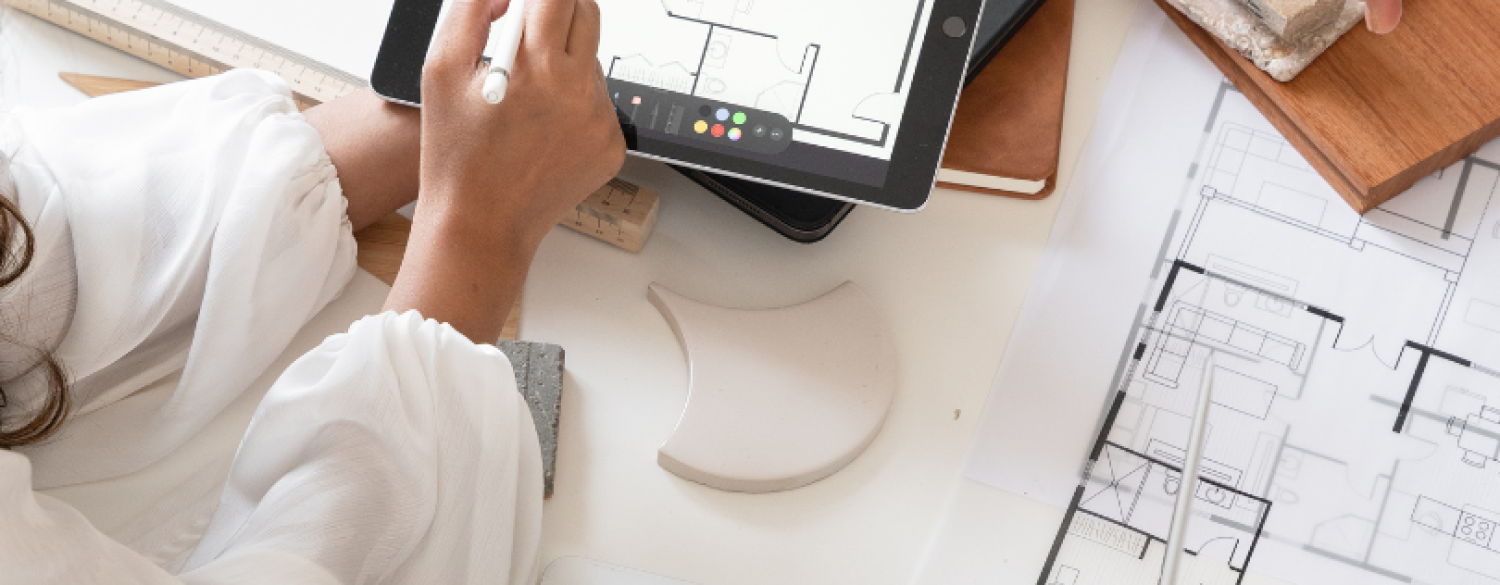
An house designer doesn’t just draw pretty pictures—they understand how to integrate new spaces with existing structures, maximize natural light, and ensure your addition looks like it was always meant to be there rather than an obvious afterthought. They also help navigate building codes and structural requirements that might not be obvious to the untrained eye.
When selecting contractors, look beyond the bottom line of their bids. Check references, verify insurance, and make sure they have specific experience with home additions. The lowest bid often doesn’t account for important details and can lead to costly changes mid-project.
Design Magic: Making Spaces Feel Even Larger
The physical expansion is just the beginning—how you design your new space dramatically impacts how spacious it feels. Strategic window placement can transform a room, bringing in natural light that makes spaces feel airy and open. Consider corner windows, clerestory windows (those placed high on walls), or even skylights to maximize brightness.
Color choices matter too! Light, cool colors like soft blues, greens, and neutrals visually expand spaces, while warm, dark colors can make even large rooms feel more intimate. Think about using the same flooring throughout connected spaces to create flow and continuity that expands the perceived size.
Multi-functional furniture deserves special consideration in your new space. Ottomans with storage inside, expandable tables, built-in window seats with drawers underneath—these elements provide flexibility while minimizing clutter that can make spaces feel cramped.
Plans for Home Additions: Avoiding Addition Regrets
Even with careful planning, certain pitfalls trip up many homeowners. Underestimating costs tops the list—hence that contingency fund we mentioned. Equally important is understanding the infrastructure requirements of your addition. Will your existing HVAC system handle the additional square footage? Is your electrical panel sufficient for the new demands? Addressing these questions upfront prevents uncomfortable surprises later.
Another common oversight is failing to consider how your addition will impact resale value. While you’re building for your needs now, someday you might sell. Additions that are too personalized or that throw off your home’s proportion might not appeal to future buyers. The sweet spot is creating spaces that work perfectly for you while maintaining broad appeal.
Your New Beginning
Transforming your home through thoughtful plans for home additions is more than just gaining square footage—it’s about creating spaces that support the life you want to live. Whether it’s finally having a dedicated home office, giving teenagers their own space, or creating that dream kitchen where everyone naturally gathers, the right addition can be life-changing.
Your cramped house already has good bones and holds your history. With careful plans for home additions and the right team, you can preserve what you love while creating the comfortable, functional spaces your family needs now and in the years to come. The journey from cramped to comfortable starts with a single step—exploring what’s possible and imagining how your home could better serve the life you’re living in it.
Next Steps
Let us take you through one of our most exciting remodel addition projects that turned a dated 1970s beach duplex into a stunning modern retreat!“A Central Coast Home Becomes a Sanctuary”
Peruse “12 Most Popular Home Addition Ideas To Enhance Your Space.”
Review and keep handy as you search for the ideal builder and contractor: “What to Ask a Contractor for Luxury Custom Home Construction: Your Friendly Guide to a Successful Project.”
Contact me, Chad the Builder, for a consultation and quote to transform your living space into a comfortable and roomy dream house.