
The journey of energy-efficient homes really showcases our creativity and resilience. From ancient cliff dwellings to today’s net-zero homes, we’ve always found new ways to live in harmony with our environment. As we tackle climate change and limited resources, working with a custom home builder to create energy-efficient homes has never been more crucial.
Energy-efficiency in homes – part of human lives for centuries
The idea of energy-efficient homes isn’t something new—it’s been part of human life for centuries, evolving along with our understanding of the environment and technology. This essay takes a friendly stroll through the history of energy-efficient homes, starting from ancient times up to the modern day.
Long ago, the Anasazi Indians in the American Southwest built their homes into the sides of cliffs. This clever design let them benefit from the sun’s warmth in winter and the coolness of the earth in summer. Similarly, the Romans had their own smart solution with an early form of geothermal heating, called hypocausts, to warm their homes and public baths.
From Industrial Revolution to the 1970s Oil Crisis
During the Industrial Revolution in the 18th and 19th centuries, quality construction saw some major shifts. With mass-produced materials and new building techniques, homes were going up quickly and cheaply—but energy efficiency wasn’t really on the radar. This trend carried on into the 20th century, especially with the post-World War II housing boom in the U.S.
Everything changed during the oil crisis of the 1970s. As heating fuel prices soared, both homeowners and builders started paying much more attention to energy conservation. This period marked a significant turn in the history of energy-efficient homes.
New construction techniques and materials aimed at boosting energy efficiency began to emerge. Insulation became a standard feature in new homes, and double-glazed windows started to become more widespread.
Today’s energy-efficient homes
In the late 20th and early 21st centuries, the growing awareness of climate change and the need for sustainable living has further pushed the evolution of energy-efficient homes.
Today, “green construction” building practices are becoming the norm, with home design consultations aiming to minimize energy use and maximize the use of renewable energy sources. Solar panels, energy-efficient appliances, and advanced insulation techniques are now commonplace in new homes.
Energy-efficient homes are crucial for both economic and environmental reasons. Scientists emphasize that homes and commercial buildings consume 40% of the energy used in the United States. A significant portion of this energy, estimated between $200 to $400 annually, could be wasted due to drafts, air leaks, and outdated heating and cooling systems.
Reduce loss, save money and enhance comfort
Energy efficiency upgrades can reduce these losses, saving money and enhancing comfort. These upgrades often include sealing air leaks, adding insulation, and installing energy-efficient windows, doors, and programmable thermostats.
Such improvements can reduce a home’s energy use by 25 to 30 percent, significantly reducing greenhouse gas emissions.
Moreover, energy efficiency is not just about using less energy but optimizing its use in existing spaces. This approach can improve system performance, prevent overuse, and lead to substantial utility savings. Energy-efficient appliances and home upgrades can save anywhere from five to 30 percent on utility bills.
Healthier Environment
In addition to the financial benefits, energy efficiency contributes to a healthier living environment by reducing air and water pollution and conserving natural resources. Energy-efficient homes are not only beneficial for homeowners but also for the community and the environment as a whole.
The future of energy-efficiency in homes is important. With advances in technology and a growing understanding of the need for sustainability, homes are even more energy-efficient. Concepts such as net-zero energy homes, which produce as much energy as they consume, are becoming more feasible and widespread.
As an expert in giving clients green homes and sustainability, I know the essentials that are required to accomplish energy-efficiency in homes. Here are five great green essentials to consider in your construction consulting for a new home or luxury home remodeling:
- Insulation
Proper insulation is the first line of defense against heat loss and gain. It keeps your home warm in the winter and cool in the summer, reducing the need for heating and cooling systems. Insulation should be installed in the walls, roof, and floors to prevent air leakage. Materials like cellulose, fiberglass, and spray foam are commonly used, but for a greener option, consider natural insulation materials like wool or recycled denim. - Energy-Efficient Windows
Windows can be a significant source of heat loss. Energy-efficient windows reduce this loss, keeping your home at a comfortable temperature. Look for windows with double or triple glazing, low-E coatings, and gas fills. These features minimize heat transfer and block harmful UV rays. Additionally, consider the window’s placement. South-facing windows can provide free heat in the winter, while shading devices like awnings can keep your home cool in the summer. - Solar Panels
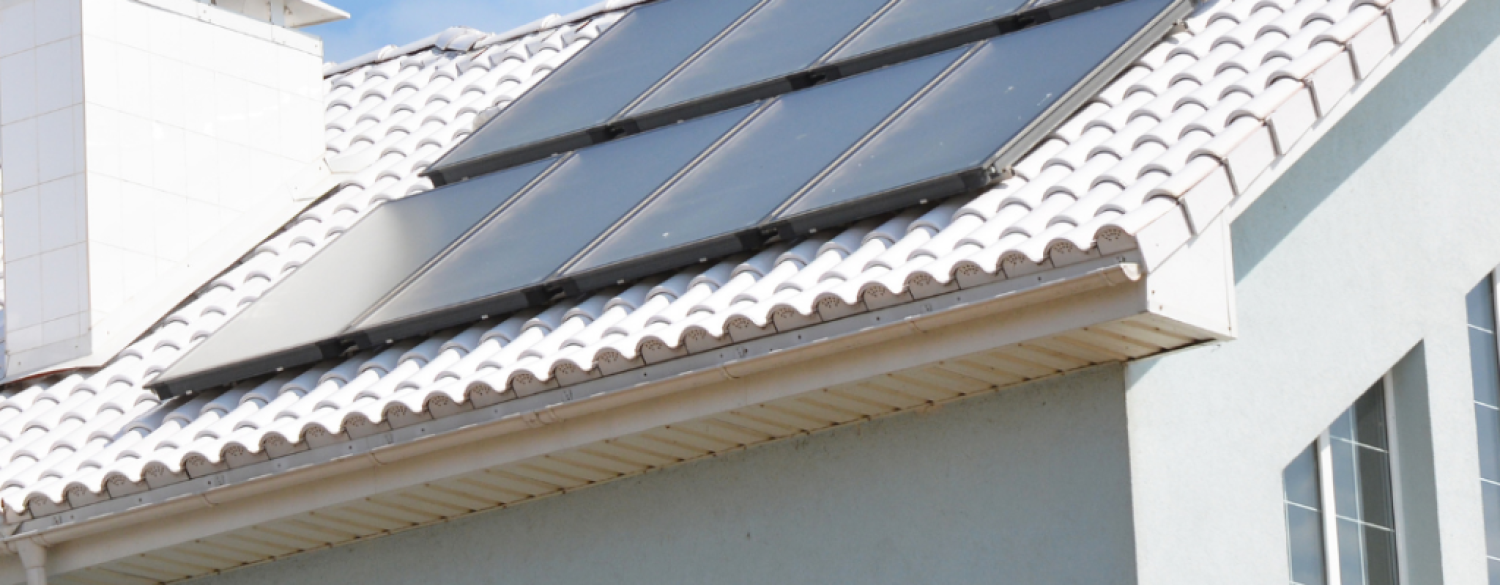
Solar panels convert sunlight into electricity, providing a renewable and clean energy source for your home. While the upfront cost can be high, the long-term savings are substantial. Plus, many regions offer incentives for solar panel installation. If possible, design your home with a south-facing roof for maximum solar gain. - Water-Saving Features
Water efficiency is another critical aspect of a green home. Install low-flow faucets and showerheads, dual-flush toilets, and energy-efficient appliances. Consider a rainwater harvesting system for outdoor watering needs. Landscaping with native plants can also reduce water usage. - Sustainable Materials
Finally, choose sustainable, locally sourced materials whenever possible. This reduces the environmental impact of transportation and supports local economies. Consider materials like bamboo for flooring, recycled glass for countertops, and reclaimed wood for furniture.
In the era of climate change and rising energy costs, building energy-efficient homes is no longer just an option—it’s a necessity. It requires careful planning and consideration of various factors.
I am your expert in creating energy-efficiency in homes. My team and I have the knowledge and creativity to build the beautiful home you want with the energy savings that you deserve.
As Sarah Beeny is quoted as saying, “Energy efficiency should be on the priority list for all home improvement work these days. Canny builders will be able to provide homeowners with energy-efficient measures which help them to save money and the planet.” Click here for the source!