
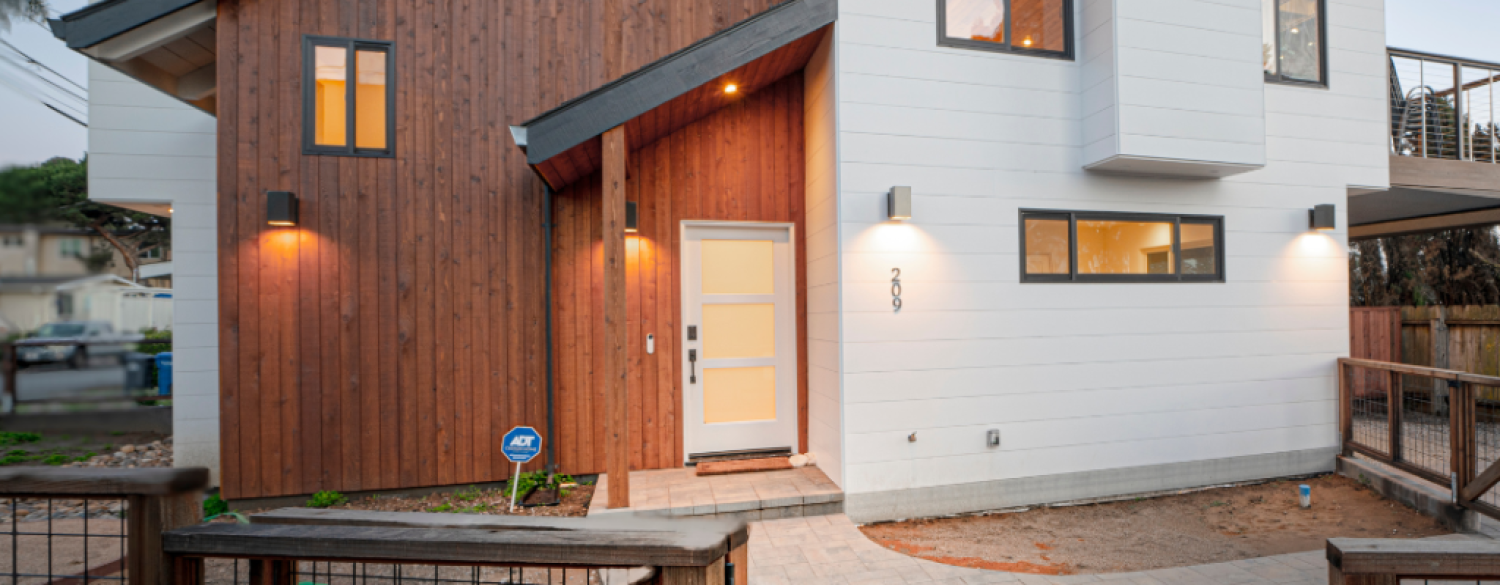
Thinking about expanding upward? To add a second story to a house is one of the most dramatic transformations you can make to your home. While the idea of doubling your living space without sacrificing your yard is exciting, there are crucial questions you need to answer before getting started. Let’s explore what you need to know to make sure your home is ready for this major upgrade.
These five essential questions will help you understand if your home is a good candidate for a second-story addition and what challenges you might face along the way. Being prepared with this information can save you thousands of dollars and countless headaches.
Add a Second Story to a House: Can Your Foundation Support it?
First things first – your home’s foundation is the make-or-break factor in your second-story dreams. Not all foundations are created equal, and what worked perfectly for your single-story home might need significant reinforcement to support another level.
Think of your foundation like the roots of a tree. Just as a larger tree needs deeper, stronger roots, a two-story home needs a more robust foundation than a single-story structure. Your first step should be hiring a structural engineer to evaluate your current foundation. They’ll look for signs of existing stress, measure the foundation’s depth and strength, and determine what improvements might be needed.
Local Building Codes: What’s Allowed?
Before you get too far into planning your dream upper level, you’ll need to understand what your local building codes allow. Building regulations can vary significantly between neighborhoods, and what worked for your friend’s home across town might not be permitted in your area.
Height restrictions, setback requirements, and historical district regulations can all impact your plans. Some neighborhoods have strict guidelines about how tall your home can be or how close it can be to property lines. If you live in a historic district or have an HOA, there might be additional rules to consider.
Will Your Home’s Systems Need an Upgrade?
When you’re planning to add a second story to your house, don’t forget about the invisible systems that keep your home comfortable and functional. Your current HVAC, electrical, and plumbing systems were designed for your existing space – adding another floor means they’ll need to work harder.
Think about it like this: if your home’s systems are like a car engine, adding a second story is like hitching up a trailer. You might need more power to handle the load effectively. This could mean upgrading your HVAC system, installing additional electrical panels, or boosting water pressure to reach upper-floor bathrooms.
See HVAC Upgrade Recommended For Two-Story Additions
Add a Second Story to a House: Making Your Floor Plan Work
Creating a functional floor plan isn’t just about adding rooms upstairs. You’ll need to consider how the new level connects with your existing space. Staircase placement is crucial – it can affect both floors’ flow and might require sacrificing some existing square footage.
Natural light is another important consideration. Well-placed windows can make your new spaces feel open and inviting, while poor planning might leave you with dark, uninviting rooms. Working with a professional designer can help you maximize both functionality and aesthetics.
Timeline and Budget: Getting Real About Your Project
Let’s talk about numbers and timing. Adding a second story is a major construction project that typically takes 4-6 months once construction begins. However, the entire process, including design, permitting, and construction, often spans 8-12 months.
Budget-wise, be prepared for a significant investment. While costs vary by region and specific requirements, you’ll want to plan for both expected costs and surprises. A good rule of thumb is to set aside 10-15% of your budget for contingencies.
Making Your Decision
After considering these questions, you’ll have a better understanding of whether adding a second story to a house is best for you. Remember, this is a complex project that requires careful planning and professional expertise.
The good news is that when done correctly, a second-story addition can dramatically increase your home’s value and functionality. Working with experienced professionals from the start can help ensure your project’s success and minimize unexpected challenges along the way.
Add a Second Story to a House: Next Steps for Success
Ready to move forward? Start by:
– Getting a professional foundation assessment
– Checking local building codes and restrictions
– Having your home’s systems evaluated
– Consulting with a designer
– Getting detailed cost estimates from contractors
Remember, the key to a successful second-story addition is thorough planning and working with qualified professionals. While it’s a significant undertaking, the result can be a transformed home that better meets your family’s needs while maintaining your connection to your beloved neighborhood.
Next Steps
Have questions about adding a second story to a house? I’d love to help you explore your options and create a plan that is best for your home and budget. Contact me, Chad the Builder, to schedule a consultation and take the first step toward your home’s transformation.
Read about my project in which I designed and built a second floor to a California Central Coast beach home. Central Coast Beach House Remodel Addition